Many people who decide to have breast implants removed feel both relief and curiosity. As you enter the breast explant journey, one question often stands out: What happens to the capsule that your body forms around every breast implant?
At San Antonio Breast Implant Removal, we know that understanding this process matters for your peace of mind and for making the best choices for your health.
The capsule, made of scar tissue, naturally develops as your body reacts to a foreign object. After removal, the fate of this capsule depends on various factors, including your body, the surgical technique used, and your health needs. Let’s look closely at each aspect so you know what to expect after implant removal.
Key Takeaways

The Capsule: What It Is and Why It Matters
The capsule is a protective layer of scar tissue that develops naturally around every breast implant. Your body creates this tissue as a reaction to anything foreign, such as silicone or saline implants. This is a normal part of your body’s healing process and helps to stabilize the implant in its pocket.
Over time, capsules can vary in thickness, firmness, and flexibility. Some membranes remain soft while others become dense or hardened, a condition sometimes called capsular contracture. Since the capsule surrounds the implant, its presence must be considered when planning removal surgery.
The condition of the capsule impacts your risks, healing, and even your future options for different procedures. Understanding the various possibilities for what happens to the capsule after breast explant surgery is vital for making an informed decision.
What Happens to the Capsule After Implant Removal?
When your surgeon removes a breast implant, the capsule left behind will usually be treated in one of several ways. The approach depends on your wishes, your medical history, and the appearance or symptoms of the capsule itself.
Capsule Left in Place
At times, the capsule can be left inside the breast without removal. This is most likely when it is thin, causes no symptoms, and does not seem abnormal. When the capsule remains behind, your body may start to break it down, absorb some of it, or the tissue may shrink over weeks or months.
Some capsules stay silently in the body, causing no problems at all. Others may slowly dissolve or become very thin over time. Occasionally, a thin capsule can harden or become calcified, though this remains uncommon in uncomplicated cases.
Partial Capsule Removal
Partial capsulectomy means that only the most concerning part of the capsule is taken out. This might include areas that feel hardened or thick, or places where scar tissue seems abnormal. Surgeons choose this option if a full removal could cause extra risk, as in those with very thin skin or delicate chest tissues.
When part of the capsule remains, it may slowly soften or become less obvious with time. The leftover portion may still be monitored, especially if you develop new symptoms in months or years after your explant.
Total Capsulectomy and En Bloc Removal
A total capsulectomy involves removing the entire capsule. Sometimes, the implant and its capsule are removed as one complete unit, which is called en bloc removal. Our surgeon will recommend one of these options for patients with hardened capsules, suspected rupture, or certain medical concerns.
Complete capsule removal reduces the risk of leftover scar tissue causing future issues. This technique is more involved and may carry higher surgical risks or a slightly longer recovery. In select cases, it is the best option for peace of mind and to resolve pain or health worries linked to the capsule.
Factors that Determine Capsule Management
Multiple aspects guide how our surgeon treats the capsule during breast implant removal. It is important to look at the whole picture, including your body, your goals, and your health background.
Condition of the Capsule
If your capsule feels soft, thin, and healthy, it often does not require complete removal. When thickening, hardening, or visible changes occur, such as calcification or lumps, these signs make it more likely that the capsule should be removed.
Our team carefully examines the capsule during imaging and surgery. We discuss the findings and the safest option with each patient.
Symptoms or Health Concerns
Some people have breast pain, tightness, or visible changes due to the capsule. Others worry about rupture, silicone leakage, or a rare illness called breast implant–associated anaplastic large cell lymphoma (BIA-ALCL). In any of these cases, more aggressive capsule removal may be advised.
Patients who feel fine and whose implants have not leaked may be candidates for less extensive surgery.
Surgical History
Patients returning after past breast surgery, such as revisions, lifts, or minor complications, may have tougher scar tissue or more delicate areas. These factors affect which method works best for removing or managing the capsule.
Desired Future Procedures
If you hope to get new implants, a lift, or other breast procedures, the capsule’s treatment may affect your outcome. Our surgical team will plan each step with your future goals in mind.
Techniques Used to Remove or Treat the Capsule
Several surgical techniques can be used during implant removal. Each technique serves a different need and requires careful assessment by our team.
Simple Implant Removal (Without Capsule Removal)
Some patients can have their implant removed without taking out the capsule at all. This works for thin, healthy scar tissue that shows no signs of disease or contracture. The body may slowly break down or absorb the leftover capsule, while the breast pocket heals and reforms.
Partial or Subtotal Capsulectomy
For moderate capsule changes, our surgeon may take out only the affected segment. This allows targeted removal without risking extra harm. Most patients recover well after this approach, as it minimizes tissue disruption while still removing problem areas.
Total Capsulectomy
This method takes out the entire capsule, sometimes in several pieces. It is best for thick, hardened, or calcified capsules, or when removal of all scar tissue lowers the odds of any remaining problems.
Total capsulectomy requires skill and careful technique, as some scar tissue may be close to chest muscles or skin.
En Bloc Capsulectomy
In en bloc removal, both the capsule and implant come out together as one unit. Our surgical team uses this method for ruptured silicone implants or when there is concern about inflammation or rare cancer.
This approach may keep any silicone leak contained and prevent the inner breast tissue from coming into contact with the implant. It can be more demanding and take longer, but it provides reassurance in complex cases.
What Happens to the Capsule If It Remains?
If the capsule is left behind, it does not dissolve instantly. The body’s natural healing begins right away, while changes become apparent over weeks and months.
Some capsules shrink and soften with no further problems. Others can linger as a thin, flexible membrane, rarely causing harm.
In certain cases, a leftover capsule can develop into a firm scar or even calcify, especially if left for many years. This is far more common with older implants or past capsular contracture.
Most thin, healthy capsules cause no trouble, and our surgeon will discuss how to best monitor this tissue if it stays in your body.
Monitoring and Managing the Capsule After Surgery
After breast implant removal, keeping track of the leftover capsule, if any, protects your long-term health. Our team uses several steps and methods for this purpose.
Clinical Exams and Routine Checks
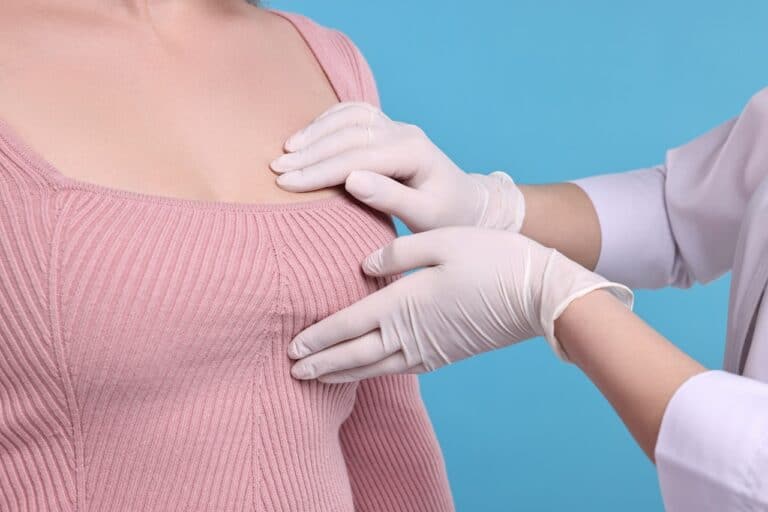
Regular checkups with our doctor allow you to talk about any new symptoms or changes in the breast. These visits help us catch early signs of capsular contracture, new lumps, swelling, or unusual pain.
Imaging Methods
At times, our team might suggest imaging, such as an ultrasound or an MRI. These tests show if the capsule is shrinking, changing shape, or developing tiny calcium spots.
Patients who had thickened capsules, older implants, or concerns about cancer risk, such as BIA-ALCL, are the most likely to need imaging after implant removal.
When More Treatment Becomes Necessary
If a leftover capsule starts causing pain, becomes visible, or leads to concern on a scan, our surgeon may advise minor surgery to remove it. Most patients do not need a second procedure, but this option stays open in rare situations.
Always call our office if you notice swelling, redness, sudden lumps, or any new symptoms after your recovery period.
Risks and Recovery Linked to Capsule Removal
Understanding the risks and what breast implant removal recovery looks like helps you set clear expectations and prepare for a smooth outcome. Each capsule treatment comes with its own recovery timeline and possible complications.
Common Recovery Timeline
Most people leave the surgical facility within hours after their implant or capsule removal. Pain is usually mild to moderate and can be managed with medication and rest.
You might feel tightness or swelling in the chest for several days. Activity limitations typically last one to two weeks, though minor swelling may remain longer.
Our doctor can give an accurate estimate for healing time based on the specific method used in your surgery.
Risks Unique to Capsule Removal
More involved capsule removals like total or en bloc techniques bring slightly higher risks, such as bleeding, infection, changes in breast shape, or minor contour irregularities.
In rare cases, a pocket of fluid called a seroma can form. Our surgical team discusses these risks thoroughly in your consultation, answering every question so you feel confident and well-informed.
How the Capsule Affects Future Breast Surgery Options
If you plan to consider further breast procedures, such as fat transfer, a breast lift, or even another set of implants, the way your capsule was handled during explant matters.
Impact on Breast Shape and Tissue Quality
Removing a thick or tight capsule can improve pain, symmetry, or firmness, but may also leave the chest skin looser. Some patients choose additional procedures, like a breast lift, to restore shape or volume.
If a thin capsule is left behind, most future options remain open. Our surgeon will tailor advice to your unique anatomy and personal preferences.
Influence on Safety and Healing
Eliminating problematic capsules reduces the chances of chronic inflammation, hardening, or other complications in your next surgery. Our team will review your old surgery notes and discuss the healthiest next steps, taking your goals and medical background into account.
Questions to Ask Our Surgeon Before Implant Removal
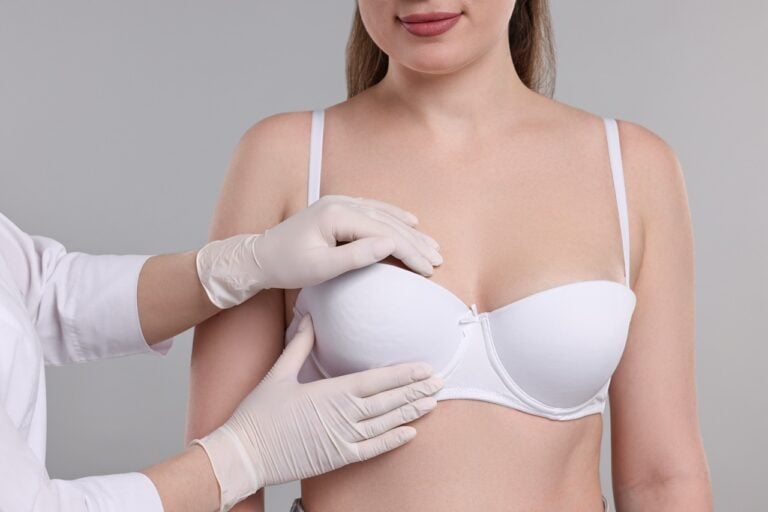
Carefully discussing the capsule before your procedure sets the stage for success. Here are important questions to bring up during your consultation at our San Antonio office:
- How will you decide if my capsule should be removed or left in place?: Discuss the criteria and tests used before surgery to make this decision.
- What signs show that a capsule is causing symptoms or health problems?: Ask about warning signs to report and symptoms that matter.
- Which technique do you think is best for my situation?: Request a clear explanation about the risks, benefits, and reasoning behind the recommendation.
- How can leftover capsule tissue affect my long-term health or future procedures?: Understand how leaving or removing the capsule could shape your options down the road.
- What will recovery after capsule removal look like?: Clarify activity limits, pain management, and normal symptoms during healing.
Bringing these questions ensures you understand every part of the plan and helps you feel comfortable with your care.
Looking Ahead: Getting Answers About Your Capsule
Knowing what happens to the capsule after breast implant removal can ease your concerns and guide you toward better decisions. The capsule’s fate depends on your goals, your body’s condition, and the expertise of our surgeon at San Antonio Breast Implant Removal.
Every situation is unique, so no single approach fits all. You will have a dedicated consultation to review your history, discuss every option, and choose a method that protects your health and fulfills your vision.
If you want to learn more about implant removal or capsule management, our San Antonio team is here for you. Reach out today to request a consultation and gain the support you need for a safe, confident next step.