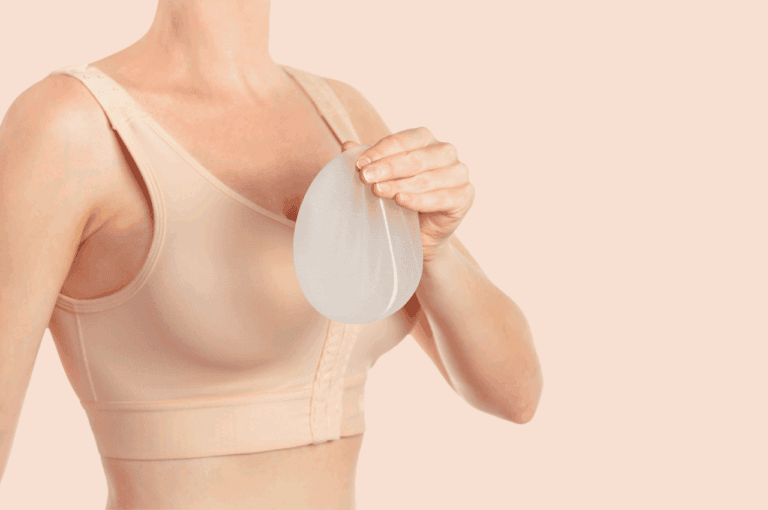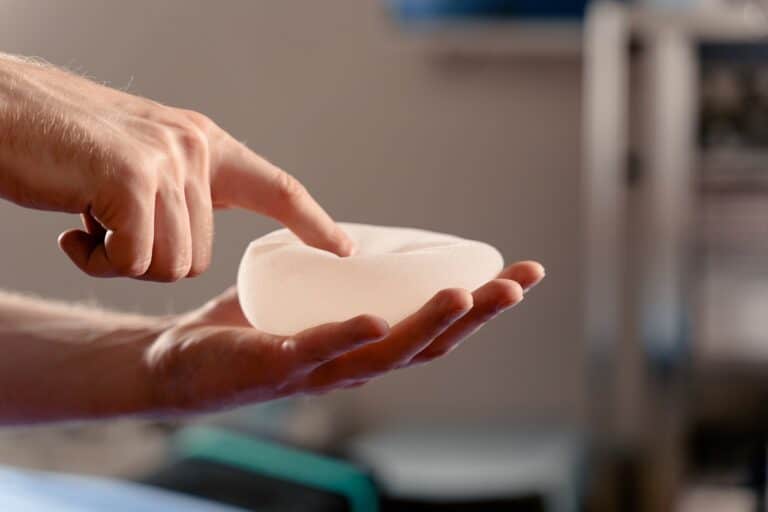
Breast implant safety is a frequent concern for those considering breast augmentation or those who already have implants. Patients often hear stories about recalls and safety issues on the news, but many are left with questions about what these recalls really mean.
At San Antonio Breast Implant Removal, we frequently consult with patients who want to understand how recalls work, why they happen, and what steps they may need to take. Understanding breast implant recalls helps you make confident decisions about your health and peace of mind. Let’s take a closer look at what every patient should know about this topic.
Key Takeaways

What Is a Breast Implant Recall?
Before we dive further, it helps to understand what a “recall” really means for medical devices like breast implants. When a recall happens, it means the manufacturer or the Food and Drug Administration (FDA) has determined that a particular product presents an increased risk of harm, or a product has a defect or labeling issue.
The goal of a recall is to protect patients from possible injury or ill effects. Recalls may involve removing a product from the market or updating instructions and safety information. Not every recall means that existing implants must be removed, and the nature of the recall helps determine the appropriate response.
Levels of FDA Breast Implant Recalls
Recalls come in different forms and levels, determined by regulatory authorities based on risk to patients. Not all recalls are equally urgent.
Class I, II, and III Recalls
We often reference three main classes of recalls for medical devices.
- Class I: The most serious. These indicate the product could cause significant health problems or death.
- Class II: These involve moderate risk. The product may cause temporary or medically reversible health problems.
- Class III: The least risky. These pose very little or no direct threat, and the recall is often for technical or labeling reasons.
Most breast implant recalls fall under Class II, which means they generally do not require immediate removal if you do not have symptoms.
Safety Advisories Versus Mandatory Recalls
Sometimes, the FDA issues safety communications or advisories about a specific implant. These are not the same as recalls. In these cases, patients or surgeons may need to monitor particular symptoms or follow additional care guidelines.
Safety advisories help keep both patients and medical professionals updated about emerging risks, even if no official recall has been announced.
Reasons for Breast Implant Recalls
Many patients wonder what leads to a breast implant recall in the first place. Usually, a recall does not happen just because one person reports a problem. Instead, several common causes play a role.
Frequent Triggers for Recalls
You may hear about several issues that prompt regulatory action for breast implants:
- Manufacturing and design defects: Flaws in production can cause problems such as leaking, rupture, or silicone gel bleed.
- Surface texture concerns: Textured implants, especially some macro-textured models, have been linked to a rare cancer called BIA-ALCL.
- Unanticipated health risks: Some risks only become clear after the product reaches the market, especially if evidence shows a larger group of patients faces harm.
- Packaging and labeling errors: Incorrect or incomplete instructions can keep patients or surgeons from making fully informed decisions.
In each case, regulators act when patient safety outweighs the benefits of keeping the product on the market.
The Role of Reporting Systems
Healthcare providers, patients, and manufacturers all play a role in identifying problems. The FDA’s MedWatch program allows any party to report adverse effects. When similar events begin to surface in greater numbers, a full investigation and potential recall can follow.
Clear communication between patients and surgeons allows problems to come to light more quickly. This improves long-term safety for everyone.
Notable Breast Implant Recalls in Recent History
Several recalls have received national attention over the past decade. These high-profile cases often set new standards for implant safety and monitoring.
Allergan BIOCELL Textured Implants Recall
One of the most significant events occurred in 2019. Allergan, a major breast implant manufacturer, voluntarily recalled its BIOCELL textured breast implants and tissue expanders worldwide. The FDA recommended the recall after data showed a link between these implants and an increased risk of breast implant-associated anaplastic large cell lymphoma (BIA-ALCL).
This cancer is rare, but the connection was strong enough that the FDA acted to protect patients. The recall affected both saline and silicone-filled textured devices.
Mentor, Sientra, and Other Recalls
Other manufacturers, including Mentor and Sientra, have experienced product recalls for reasons such as ruptures, device failures, or labeling mistakes. These did not always require mass removal, but they served as reminders of the importance of continued follow-up, even years after your procedure.
Lessons from Past Recalls
Each recall teaches important lessons about which products are safest and how to improve future patient care. Surgeons at San Antonio Breast Implant Removal use this evolving knowledge to advise patients on implant choice and risk management.

What To Do If Your Breast Implant Has Been Recalled
Receiving news of a recall can cause understandable anxiety. However, the appropriate response usually depends on your individual situation and whether you are experiencing symptoms.
Key Actions to Take
As a patient with recalled implants, you can take these important steps for your health and peace of mind:
- Stay Informed: Read the FDA recall notice and reach out to your plastic surgeon for clarification as soon as possible.
- Schedule a Checkup: An examination and possibly imaging help your surgeon assess the condition of your implants.
- Watch for Symptoms: Remain alert to changes such as swelling, pain, lumps, or asymmetry in your breasts.
- Keep Documentation: Maintain records including implant cards, doctor’s notes, and recall communications.
- Discuss Options: Talk with your surgeon about whether monitoring, implant removal, or replacement is appropriate for your situation.
During this process, ongoing communication with your surgeon helps ensure your treatment plan meets your current needs. Not all patients require immediate implant removal after a recall, especially if you do not have any symptoms or concerns.
Symptoms and Signs to Watch For
No matter the recall status, monitoring your breast health is important after any implant surgery. New symptoms can signal a problem and should lead to a timely consultation with your surgeon.
Common Symptoms Following Implant Recalls
If you have a recalled implant, pay close attention to the following indicators:
- Sudden or persistent swelling: Swelling that appears months or years after your surgery should not be ignored.
- Pain or tenderness: Increasing or persistent pain around the implant location may need evaluation and imaging.
- Lumps or bumps: Any new lump in the breast area, armpit, or chest can be a warning sign. This includes abnormal tissue, changes in the capsule, or enlarged lymph nodes.
- Fluid buildup: A seroma (buildup of fluid) around the implant, especially a late seroma, is a symptom sometimes associated with BIA-ALCL.
- Visible changes: Asymmetry, unexpected distortion, or changes in shape may signal problems such as rupture or shifting.
If you notice any of these changes, seek medical attention promptly. At our practice in San Antonio, we encourage you not to delay your care, as quick evaluation leads to better outcomes.
How Surgeons Manage Recalled Implants
Your surgeon plays a crucial role in helping you navigate a breast implant recall. Individualized care is always the standard, as there is no universal answer for everyone.
Assessment and Testing
We start with a thorough history and physical examination. Imaging such as ultrasound or MRI may help evaluate the status of your implant and surrounding tissue. These tests help determine whether your implant is intact or if any fluid collections are present.
Symptom-Based Decision Making
If you do not have symptoms or changes in your breast, routine monitoring may offer the safest approach. Your surgeon may recommend regular checkups and imaging every few years.
For those with symptoms or signs of implant failure or BIA-ALCL, removal or replacement usually becomes necessary. In these situations, timely intervention ensures the best chance of a full recovery.
Support and Communication
At San Antonio Breast Implant Removal, we value transparent and ongoing communication with every patient. We help you weigh the benefits and risks of each option. Your peace of mind matters, and all decisions are made together, taking your goals into consideration.
The Breast Implant Removal Process After a Recall
Patients with recalled implants sometimes need surgery to remove or replace their device. Understanding the process helps reduce stress and uncertainty.
Initial Consultation
The removal journey starts with a thorough consultation. We will review your symptoms, medical history, and recall notification materials. Imaging tests such as ultrasound or MRI may be used to assess implant integrity and rule out fluid collections or abnormal tissue.
The Surgical Procedure
Surgical removal is a straightforward process for many patients. The approach depends on your anatomy, type of implant, reason for removal, and your personal preferences. Sometimes, a total capsulectomy or the removal of the surrounding scar tissue becomes necessary.
Other times, only the implant will be removed while the capsule remains. Your surgeon discusses the pros and cons of each method and develops a tailored plan.
Recovery and Aftercare
Recovery after implant removal is usually quicker than your original augmentation, although experiences vary. Most patients return to regular daily activities within 1 to 2 weeks. Our San Antonio office provides comprehensive aftercare instructions and schedules follow-ups to monitor your healing and address any concerns.
Frequently Asked Questions About Breast Implant Recalls
We understand that patients have many questions about what to expect, how to participate in recall investigations, and how to monitor their health. Below are some of the questions patients ask our surgeons most often.
If My Breast Implants Are Under Recall, Do I Need Them Removed?
Not all recalls require removal. If you do not have symptoms, your surgeon may advise a watchful waiting approach. Patients who develop symptoms or show changes during imaging are more likely to need surgery. Each case is unique, so an individualized discussion remains important.
Can I Replace My Recalled Implants with a Different Kind?
Yes, you may choose to have your implants replaced with a different style, size, or material, or you may opt not to have implants at all in the future. Your surgeon will help guide you through these choices. Alternatives include smooth implants or no implant at all.
How Can I Tell If My Implant Is Safe?
No medical device is without risk, but following recall news, keeping up with regular checkups, and notifying your surgeon about symptoms ensures you take steps to protect your health. The majority of breast implants remain safe for most patients throughout their lifetime.
Will Insurance Cover Breast Implant Removal Due to A Recall?
Coverage varies. Some insurance plans may offer coverage if removal is medically necessary, especially for symptoms or after a high-risk recall. We recommend contacting your health insurance provider directly for details. Our administrative team can help facilitate this process.
Staying Proactive About Your Implant Health
Maintaining ongoing care helps ensure the best long-term results after breast augmentation. Even if your implants are not under recall, developing an active habit of monitoring keeps you ahead of potential issues.
Best Practices for Ongoing Implant Safety
You can follow a few proven strategies for implant safety after surgery:
- Regular checkups: Schedule annual or biannual visits, regardless of your recall status.
- Imaging exams: Consider periodic ultrasounds or MRIs to check for silent ruptures or capsule changes.
- Maintain records: Keep implant information and surgical records secure and accessible.
- Open communication: Share any new symptoms with your surgeon as soon as they appear.
By following these steps, you maximize your long-term breast health and give yourself peace of mind.
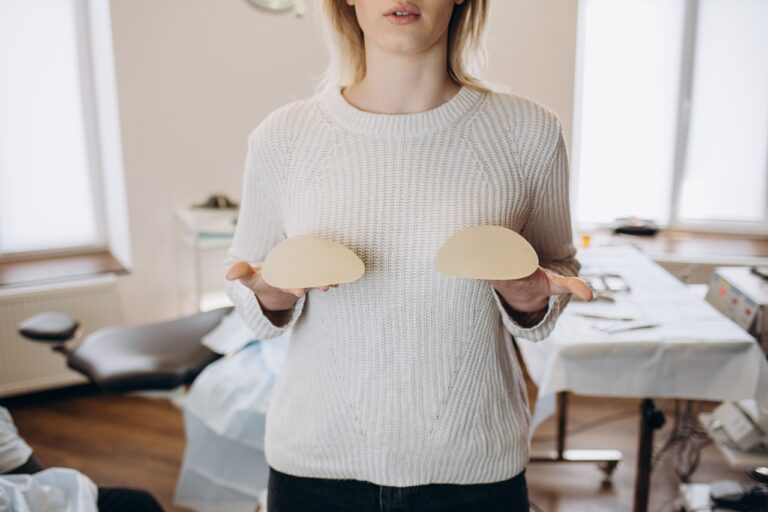
Understanding Your Implant Options
A recall may prompt you to reconsider your implant choices. If you face the decision to replace or remove your implant, you have safe, attractive options.
Implant Replacement Choices
If you choose to have new implants placed, smooth implants that have not shown the same risk for BIA-ALCL remain available. Silicone and saline implants each offer unique benefits. Non-textured implants have become the standard for most patients.
Some patients decide to avoid implants altogether in the future. We can explore additional procedures such as fat transfer for volume restoration or aesthetic revision.
Living Without Implants
Breast implant removal without replacement is a valid and increasingly common choice. Many women appreciate the return to their natural shape or pursue a lift (mastopexy) at the same time for optimal contour.
At San Antonio Breast Implant Removal, your goals and peace of mind always drive our recommendations. We support you through every step as you decide what feels best for you.
Moving Forward After a Breast Implant Recall
Navigating a breast implant recall involves both information and support. With clear steps and trusted guidance, you can make the best choice for your health and confidence.
If you have concerns about your implants or receive a recall notification, you do not need to face this experience alone. Our team at San Antonio Breast Implant Removal will walk with you through the evaluation, decision-making, and, if needed, surgical process.
Your peace of mind is important, and up-to-date knowledge helps you stay empowered. Reach out today to schedule a consultation with our compassionate team. Together, we can ensure your breast health remains a top priority, no matter where you are in your journey.