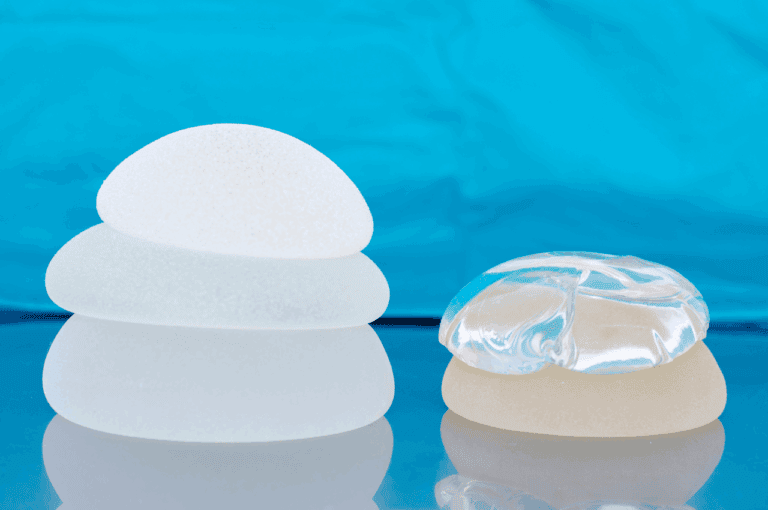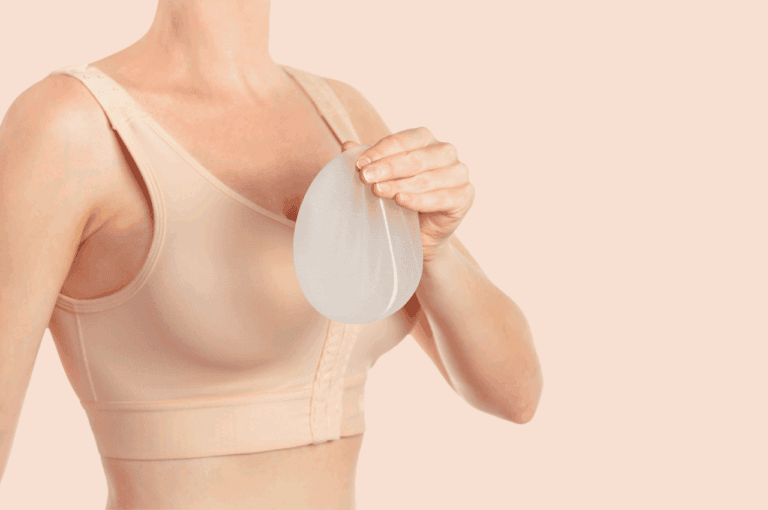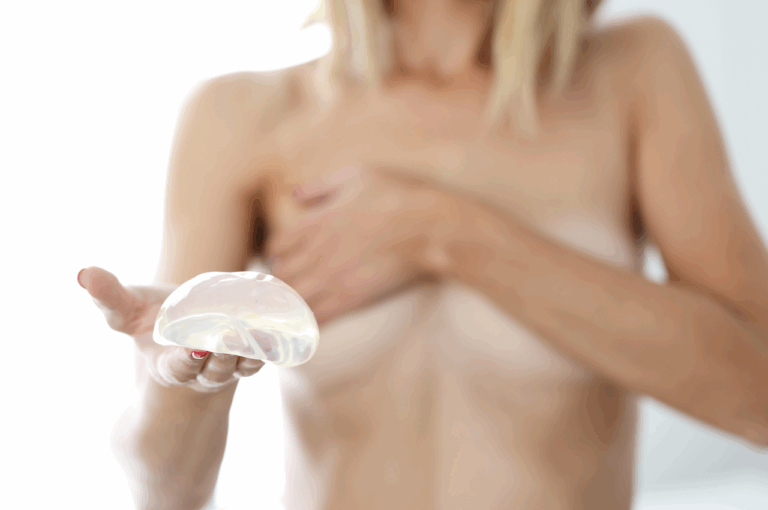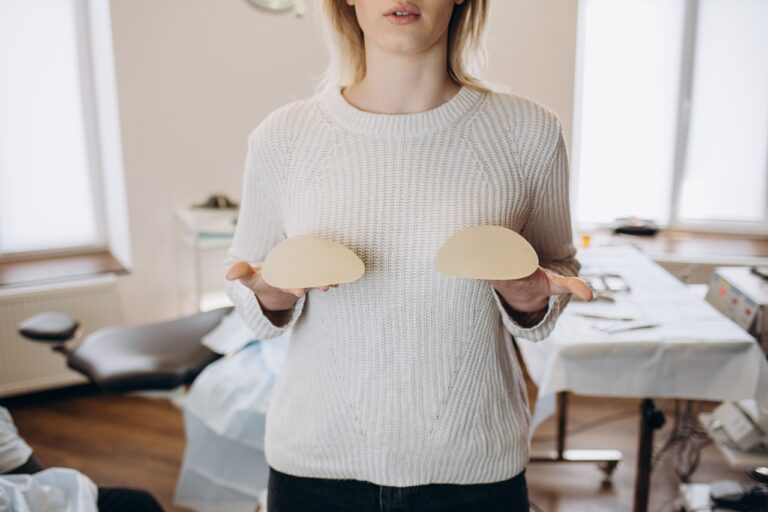
Removing breast implants is an important decision that brings many women relief from discomfort or cosmetic concerns. Still, like any surgical procedure, it involves some risks, including the potential for infection after surgery.
At San Antonio Breast Implant Removal, our surgical team wants every patient to feel confident and informed as they move forward with implant removal. Understanding the signs of infection empowers you to seek care promptly if needed and supports a safer, more comfortable breast implant removal recovery. In this article, we will outline what to watch for, how our team manages your safety, and what to expect during the healing process.
Let’s explore the most important things you should know about recognizing and responding to infection after breast implant removal.
Key Takeaways

Why Infection Can Occur
Breast implant removal is surgery, so the body naturally goes through a period of healing. Infection can happen when bacteria enter tissue at the surgical site. While infection after explant surgery remains uncommon at our practice, understanding risk factors helps patients stay prepared.
How Surgery Affects the Healing Process
The standard breast implant removal procedure involves incisions through the skin and underlying tissue to access the breast implant pocket. This process temporarily disrupts your body’s natural protective barriers.
Our surgeon maintains the highest level of sterility in the operating room, yet even with precision and vigilance, no surgery is truly without risk. The incision itself provides a potential entry point for germs until it heals completely.
Factors That May Raise Infection Risk
Several variables can influence the likelihood of infection. Patients with certain medical conditions or lifestyle factors should be especially alert.
- Autoimmune disorders or diabetes may interfere with the immune response and slow healing
- Smoking impairs blood circulation, limiting the delivery of nutrients to the tissue
- Obesity and poor overall health can increase the chance of complications
- Planned simultaneous procedures, such as a breast lift or total capsulectomy, can lengthen operative time and slightly raise the infection risk
Awareness encourages prompt response, which minimizes complications and supports a smoother recovery.
The Most Common Signs of Infection
Knowing what warning signs to watch for empowers you to safeguard your recovery. Most infections surface within a few days to two weeks after surgery, but signs may evolve gradually or more suddenly.
Patients should monitor their symptoms closely. Call our office if any concerns or unusual changes occur.
Early Indicators of a Post-Surgical Infection
Some changes are a normal part of the healing process, while others signal a developing infection. Understanding the differences will help eliminate unnecessary worry and ensure you get help when needed.
- Mild swelling, tenderness, and bruising frequently occur after explant. These signs usually diminish after a few days and do not require medical intervention.
- Redness in the vicinity of the incision is common, but expanding or vividly red areas could mean the underlying tissue is reacting to infection.
Always trust your instincts if something feels wrong. Subtle changes can become more noticeable over time.
Key Warning Signs
To clearly outline what to look for, here are the most common symptoms of infection after breast implant removal:
- Spreading redness: Redness that grows beyond the immediate area of the incision, especially when paired with warmth or pain, should raise concern.
- Excessive swelling: Noticeable increase in swelling, particularly if asymmetrical or worsening with time, suggests the presence of fluid or inflammation.
- Pain that intensifies: Pain usually improves each day after surgery. New or intensifying pain, especially when paired with other symptoms, may indicate infection.
- Warmth or heat: The surgical site should not feel hot to the touch. Increased warmth, especially with other symptoms, is a frequent sign of an underlying problem.
- Thick, colored, or foul-smelling drainage: Small amounts of clear or pinkish fluid can be normal, but yellow, green, or odorous discharge is cause for prompt evaluation.
- Fever above 101°F (38.3°C): Elevated temperature, especially when combined with other symptoms, often means the body is fighting infection.
- Feeling generally unwell: Fatigue, chills, or achiness should be evaluated if these sensations are new or persistent.
If any of these warning signs develop, our team wants to hear from you promptly to ensure your safety.
Less Common but Serious Symptoms
Most infections show clear signs, but a few less typical symptoms are possible. Serious complications remain rare, but knowing about them helps you take quick action if needed.
Abscess Formation and Severe Complications
An untreated infection can sometimes lead to an abscess, which is a pocket of pus under the skin. This might appear as a lump near the surgical area, which is often painful or warm.
Very seldom, infection may enter the bloodstream and lead to widespread symptoms like rapid heartbeat, confusion, or low blood pressure. These emergency symptoms require urgent medical care and could develop quickly.
Seeking immediate medical attention is critical when more severe symptoms or sudden changes occur.
When to Contact Our Office Right Away
A few symptoms call for a direct and prompt call to our doctor or the nearest emergency service.
- Rapidly spreading redness or swelling
- High fever that does not subside with medication
- Severe pain that is not manageable with prescribed pain control
- Difficulty breathing, confusion, or fainting spells
Our staff at San Antonio Breast Implant Removal is available to answer questions and support patients through every stage of recovery.
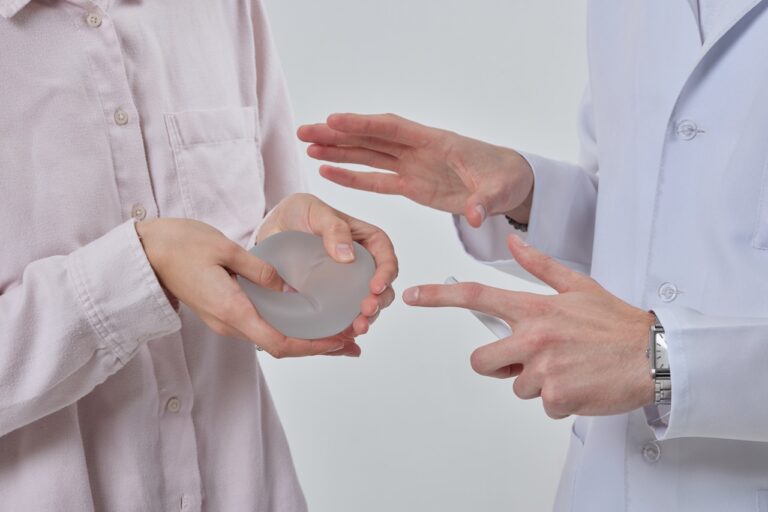
Distinguishing Normal Healing from Infection
It is reassuring to know that not every unusual symptom signals infection. The body’s healing process comes with a wide range of sensations and visible changes.
Common Benign Postoperative Symptoms
- Tenderness, mild bruising, and swelling that gradually lessen
- Slight “firmness” or puckering at the incision line
- Itching at the edges of the incision as nerves recover
Minor clear or pink fluid drainage can occur as the tissue seals. These symptoms usually require only reassurance, not medical intervention.
How to Evaluate Your Recovery Experience
Comparing your symptoms with typical healing patterns can help determine when to call our office. While all questions are welcome, consider the following distinctions.
- Normal symptoms trend toward improvement each day
- Redness, tenderness, and swelling gradually decrease instead of worsening
- Discharge, if present, is minimal and not foul-smelling
- Mild temperature elevation resolves within a day or two
If any symptom gets worse, recurs after improving, or stands out as unusual for your personal experience, reach out for a professional opinion.
How Our Surgeons Prevent Infection During and After Removal
Our surgical team at San Antonio Breast Implant Removal takes every step to prioritize each patient’s well-being. Patient safety and infection prevention remain at the core of our approach.
Infection Control in the Operating Room
Our doctor cleans and sterilizes instruments with the strictest protocols before surgery. The entire surgical site is meticulously cleaned, and all team members wear sterile attire for the duration of the procedure.
Antibiotics are given before and sometimes after surgery to reduce the risk of infection. These proactive steps diminish the chance that bacteria will contaminate the tissue, even in complex or long procedures.
Aftercare Instructions and Monitoring
Patients receive detailed instructions for caring for wounds at home. Our aftercare guidance covers topics such as:
- Proper wound cleaning and dressing changes
- When and how to bathe or shower
- Types of physical activity that are safe or need to be avoided temporarily
- Signs of infection to monitor at home
We schedule regular follow-up appointments so we can observe your healing and detect potential issues early.
What to Do If Infection Is Suspected
Prompt intervention leads to much better outcomes. Whenever you notice a possible symptom of infection, taking quick and appropriate action protects your health.
Steps to Take Upon Noticing Symptoms
If you spot any of the key warning signs listed earlier, follow this action plan:
- Contact our office: Call San Antonio Breast Implant Removal as soon as possible to report the symptoms and receive advice.
- Follow wound care instructions: Avoid touching, squeezing, or disturbing the incision. Keep the area clean and do not apply any over-the-counter creams or remedies unless we instruct you to do so.
- Document changes: Take daily photos or notes about the appearance and progression of symptoms. This record will help our surgeon assess the severity and choose the right treatment.
- Monitor general health: Pay attention to overall feeling, especially unexplained fatigue, weakness, or increasing pain.
Never be concerned about asking “too many” questions or calling us for minor symptoms. Early dialogue helps prevent complications.
What Treatment Might Involve
Treating an infection may be as simple as starting a course of antibiotics prescribed by our doctor. In some situations, if pus or fluid has collected in the tissue, the surgeon may gently drain the area in the office.
For persistent or more serious infections, we might recommend additional imaging or, rarely, a brief hospital stay for more intensive care. Most mild infections respond quickly to prompt therapy and do not affect long-term results.
How We Support Your Recovery After Surgery
At San Antonio Breast Implant Removal, our practice wants each patient to heal in comfort and confidence. Recovery after explant surgery includes careful monitoring, ongoing support, and access to our team whenever concerns arise.
Elements of a Safe Recovery Plan
A strong recovery plan after breast implant removal gives patients peace of mind and helps prevent problems. Here are some essential aspects we emphasize for every patient:
- Clear instructions: Our team explains step-by-step care for your incisions and provides written guidelines to reference at home.
- Scheduled follow-ups: In-person visits allow us to check the healing progress and address concerns directly.
- 24/7 access for urgent questions: If symptoms appear outside normal business hours, our practice ensures patients can always contact someone for help.
- Lifestyle guidance: Recommendations for nutrition, rest, and gentle movement will support your body’s natural repair processes.
- Personalized adaptation: We adjust follow-up frequency and care based on the individual needs of each patient.
Our approach centers on trust, partnership, and communication. Most healing proceeds very smoothly, especially when patients adhere to these guidelines.

Long-Term Impact and Outlook After Infection
Most infections caught early respond to antibiotics and resolve fully. It is rare for an infection to result in lasting damage at the surgical site.
Scarring from infection may be slightly more visible, but with attentive care, the vast majority of women heal with results that match their expectations. Our practice tracks patient recovery long-term and offers solutions for optimal cosmetic outcomes whenever possible.
Occasional follow-up visits continue after the tissue has healed, giving our team the opportunity to answer questions and support peace of mind over time.
Frequently Asked Questions About Infection After Implant Removal
Below are answers to several of the most common concerns patients raise about infection risks and outcomes.
Reach Out to San Antonio Breast Implant Removal
Recognizing infection signs early ensures your recovery stays smooth, safe, and comfortable. Our surgical team at San Antonio Breast Implant Removal has the experience, resources, and dedication to support patients every step of the way.
By learning the typical signs of infection and following careful post-surgical instructions, you can lower the risk of complications and promote the best results. Remember, most patients never develop an infection, and those who do typically recover quickly after early treatment.
If any symptom causes concern during your healing process, do not wait to reach out. Contact our San Antonio office for guidance, reassurance, or to schedule your follow-up visit. Our team is here to help you feel informed, cared for, and confident at every stage of your breast implant removal journey.