At San Antonio Breast Implant Removal, many patients inquire about the potential changes in body weight following breast implant removal surgery. This is a time of adjustment, both physically and emotionally, that often raises questions about metabolism, weight, and fitness.
If you have recently scheduled implant removal or wonder about the post-procedure journey, it is important to understand how your body may react and what realistic expectations to have. Our surgeon and team have guided countless individuals through these changes, and we are here to support you every step of the way. In this article, we outline what you can expect regarding weight loss after breast implant removal, as well as tips for optimizing your health throughout the process.
Key Takeaways
Understanding Weight Changes After Breast Implant Removal
Most individuals wonder whether removing breast implants will cause weight loss. It is helpful to distinguish between the actual reduction of implant material and meaningful changes in body fat or metabolism.
The Immediate Weight Difference: What Goes Away
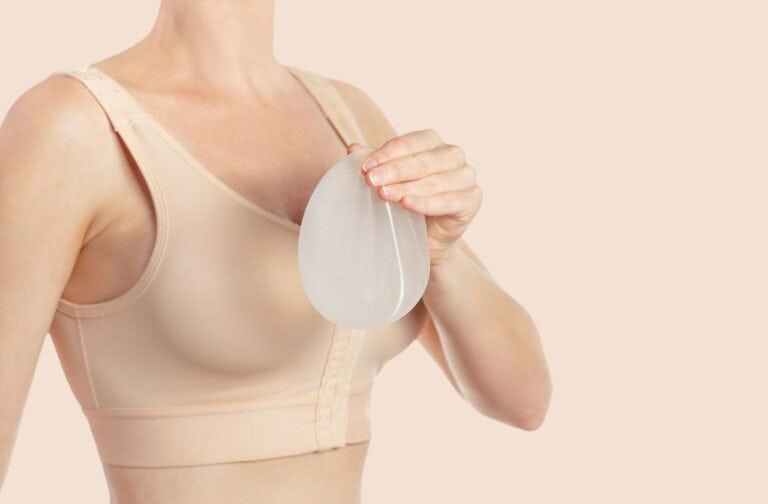
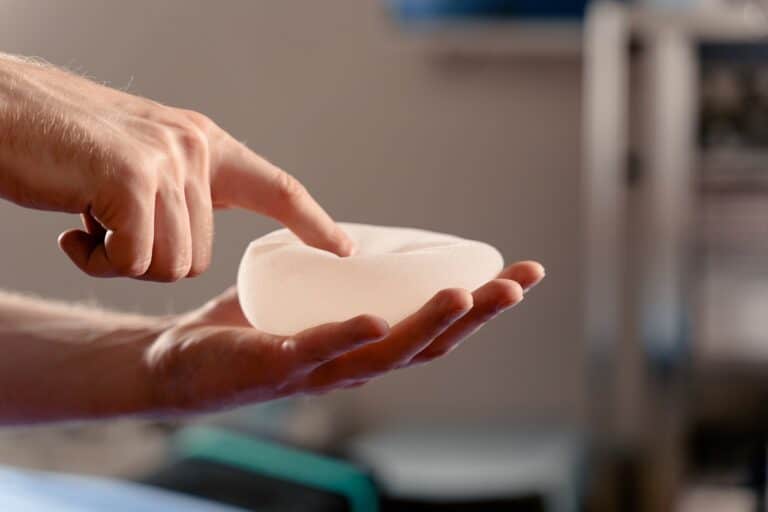
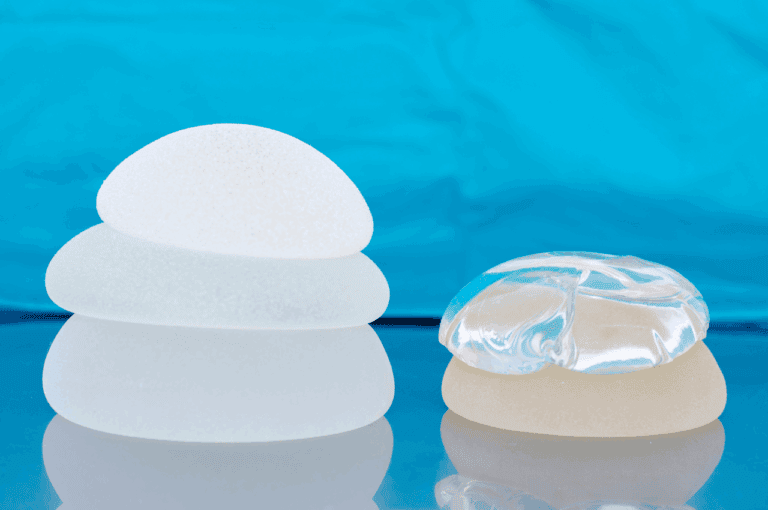
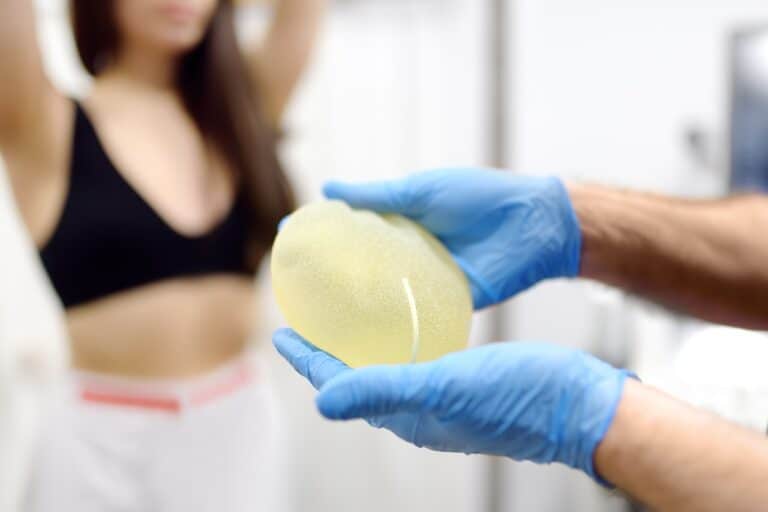
During surgery, our surgeon removes the breast implant plus any surrounding capsule tissue if indicated. The direct weight loss corresponds to the combined weight of these materials. Saline and silicone implants usually weigh between 200-400 grams each, or about 0.5 to 1 pound per breast.
For some patients, this feels noticeable, especially if large implants were present and a total capsulectomy was performed. You will see a reduction on the scale that is roughly equal to the gram weight of the removed implant and, if necessary, excised capsule tissue.
However, this loss does not signify fat reduction or a true change in body composition. Instead, it reflects the absence of the foreign materials inserted during your breast augmentation.
Swelling and Fluid Retention
After surgery, it is common for fluid to accumulate in the tissues. This is a normal immune response and helps your body protect the surgical area as it heals. As a result, some patients actually observe a temporary increase or plateau in body weight in the immediate days and weeks after surgery.
Within several weeks, most swelling and retained fluids subside, and the body stabilizes at its new baseline weight. This phase varies in duration, but you should expect to wait at least four to six weeks to witness the more permanent results on the scale.
Fat Loss and Long-Term Weight Change
Implant removal surgery by itself does not create fat loss. Any further change in body weight beyond the surgical removal of the implant material depends on your nutrition, activity, genetics, and hormonal equilibrium. Weight loss or gain after surgery usually has more to do with lifestyle adjustments than any surgical or metabolic effect from the implant removal.
Factors Influencing Weight After Implant Removal
Several factors influence how your body weight shifts or stabilizes after the removal procedure. Recognizing these can help you set realistic goals.
Age and Hormonal Balance
Age and hormones play a primary role in post-surgical changes. Women in perimenopausal or postmenopausal years may notice shifts in body fat distribution or metabolism, but implant removal does not typically trigger these changes. Genetics and the natural aging process remain the main drivers for metabolic alterations.
Physical Activity Level
Mobility restrictions during your short-term recovery can temporarily lower your activity level. Once cleared by our doctor for increasing movement, resuming exercise helps restore muscle tone, elevate mood, and support overall health. Gradual return to gentle activity improves circulation and can reduce inflammation as well.
Nutrition and Hydration
Surgical recovery creates increased nutrient demands. Prioritizing a well-balanced diet supports quicker healing and helps avoid unwanted weight gain. Hydration also combats fluid retention and helps relieve swelling. Emphasizing lean protein, fresh produce, and complex carbohydrates provides the fuel your body needs after surgery.
Addressing Common Concerns: Myths and Truths
Our San Antonio office often hears certain repeated worries from patients. Here are the facts that can put your mind at ease about expected weight changes.
Myth: “Implant Removal Causes Major Fat Loss”
Some believe breast implant removal leads to dramatic, lasting reductions in body fat or total body weight. In reality, most patients notice only the disappearance of the physical implant and any related capsule tissue, with little impact on overall body fat or energy needs.
Truth: “You May Notice a Smaller Bust and Revised Silhouette”
Even though fat distribution does not usually change directly from surgery, the chest returns to its pre-augmentation contour or sags slightly, depending upon your skin elasticity and breast tissue volume. Many people find that their silhouette appears different after implant removal, but the rest of the body’s composition remains generally unaffected unless you independently pursue weight management.
Myth: “Implant Removal Slows Down Metabolism”
This is a common misconception with no scientific support. Your basal metabolic rate is not altered by the presence or absence of implants. Any shift in caloric needs typically comes from changes in activity level or age-related factors, rather than the surgery itself.
Typical Recovery Timeline and What to Expect
The journey after breast implant removal unfolds in well-defined stages. Understanding this process helps set clear, realistic expectations. Here is a typical outline:
Week 1–2: Acute Recovery
Expect moderate swelling, bruising, and mild discomfort as part of your body’s normal response. Fluid retention may delay any visible change on the scale. Activity should be minimal, but light walking is encouraged as tolerated.
Week 3–6: Transition Phase
As incisions heal and swelling subsides, your weight gradually normalizes. Most patients start feeling more energetic and may resume desk work or gentle exercises with approval from our surgical team.
Week 7 and Beyond: Stabilization
Swelling has mostly resolved, and your new breast contour is more apparent. At this stage, you can safely return to your usual level of physical activity. Clothing may fit differently, and the loss of implant weight becomes easier to notice.
Adhering to your surgeon’s guidance for aftercare and follow-up visits ensures you recover smoothly and safely.

Top Lifestyle Tips for Optimizing Weight Loss Post-Removal
Supporting your body during recovery and throughout life after implant removal can maximize your well-being and confidence. Here are some tips to follow:
- Prioritize balanced nutrition: Focus on meals with lean protein, fresh vegetables, and high-fiber carbohydrates to maintain energy and support healing.
- Incorporate gentle movement: Gradually resume physical activity as directed, aiming for daily walks, stretching, and eventually more structured exercise.
- Monitor hydration: Drink adequate water daily, since this helps decrease swelling and supports overall metabolic function.
- Minimize processed foods: Cut back on added sugars and refined grains that can impede weight loss and slow recovery.
- Maintain realistic goals: Track progress patiently, recognizing that each body heals at its own pace and physical changes may be subtle at first.
- Address emotional wellness: Connect with support networks, consider counseling if needed, and discuss any body image concerns with caring professionals.
Using these strategies, many patients feel empowered to manage post-removal changes in a healthy, sustainable manner.
Emotional Well-Being and Body Image After Implant Removal
Physical healing is only one part of the journey. Emotional responses to a new body image deserve attention and compassion as well.
Navigating Your Feelings
Individuals often experience a mix of relief, regret, or anxiety after surgery. Seeing a smaller bust or scars can evoke grief, even if the decision to remove implants felt right. Our surgeon frequently reminds patients that these feelings are normal and that acceptance grows over time.
Staying patient with yourself helps ease this emotional transition. Identifying your support system, friends, family, online communities, or mental health professionals, can make this process easier. Celebrating your choice and focusing on your reasons for removal encourages a positive mindset moving forward.
When to Seek Support
If you notice persistent sadness, loss of motivation, or significant anxiety, it may help to talk with a counselor or therapist. The journey after implant removal is highly personal, and our team is here to provide the guidance and clinical support you need. Our San Antonio team can provide referrals for dedicated mental health professionals if you desire further help.
Who Is Most Likely to Lose Weight After Implant Removal?
Weight loss after implant removal varies greatly from one patient to another. Certain traits may influence outcomes more than the surgery itself.
Key Factors That Favor Post-Removal Weight Loss
- Active Lifestyle: Those who already maintain a consistent exercise routine and return to activity soon after healing often see the best results in terms of body composition.
- Healthy Eating Habits: Individuals with a strong foundation in nutrition, portion control, and meal planning may find it simpler to navigate any post-surgery cravings or appetite changes.
- Support Networks: Having help with meal prep, motivation, and emotional health can help make positive changes last longer.
- Positive Attitude Toward Change: Embracing the body’s new shape and focusing on overall health and self-care translates to better outcomes for many people.
Most importantly, the weight removed during surgery is limited to the implant and surrounding tissue. Any additional fat loss comes from personal lifestyle choices, commitment to wellness, and healthy habits over time.
Possible Reasons for Unexpected Weight Gain After Removal
A few patients experience weight gain rather than loss following implant removal. The underlying causes usually relate to the recovery experience, not the procedure itself.
Common Causes of Post-Removal Weight Gain
- Decreased physical activity: During healing, restricted movement can lead to fewer calories burned each day, making weight maintenance more difficult.
- Emotional eating: Stress, anxiety, or sadness related to changes in body image may drive cravings or overconsumption.
- Medication effects: Some pain medications and anesthesia agents cause bloating or alter digestion, which may increase body mass temporarily.
- Fluid retention: Swelling or fluid shifts, particularly in the first weeks post-surgery, can temporarily mask true weight status.
These issues usually resolve with time, increased movement, and support from your surgeon and care team. Let our office know if weight gain or other symptoms persist beyond your expected recovery window.
How Our Surgeon Supports Lasting Wellness
At San Antonio Breast Implant Removal, the surgical staff prioritizes both your physical results and long-term wellness. Our approach blends expert procedural care with attentive, honest guidance throughout your journey.
Tailored Pre-Surgical Counseling
Before surgery day, our surgeon spends time reviewing your full health profile, lifestyle, and goals. We discuss likely short-term and long-term outcomes, how your activities or diet may need to shift as you heal, and set realistic expectations. Every individual receives customized recommendations to prepare for recovery and future self-care.
During your consultation, we also provide a transparent breakdown of the breast revision cost, ensuring you have a clear understanding of the financial investment alongside your health and aesthetic goals.
Collaborative Recovery Planning
We schedule frequent post-operative check-ins at our San Antonio office. These appointments provide the perfect time to address swelling, side effects, and questions about safe exercise or diet. Our staff encourages dialogue around both physical and emotional adjustments, supporting your total well-being.
Education for Self-Management
Patients receive detailed aftercare instructions and tips to make informed decisions about food, movement, and coping with changes in body image. We empower you to practice healthy habits that will help you thrive long after the initial surgical recovery is complete.
Healthy Next Steps After Breast Implant Removal
Thinking about breast implant removal means considering your physical, emotional, and lifestyle goals as you move forward. Weight loss after implant removal rarely happens solely because of the procedure, though the number on the scale may change with the removal of implant material and fluid stabilization.
Staying focused on balanced nutrition, gradual return to exercise, and cultivating a positive support system makes the transition smoother and promotes better outcomes. At San Antonio Breast Implant Removal, our surgeon and care team offer expert advice every step of the way. If you feel ready to take control of this new phase of your body journey, we invite you to reach out.
Scheduling a confidential consultation ensures you receive reliable answers tailored to your unique needs and goals. Our practice welcomes your questions about weight loss, wellness, and next steps after breast implant removal, supporting your confidence and health at every stage.