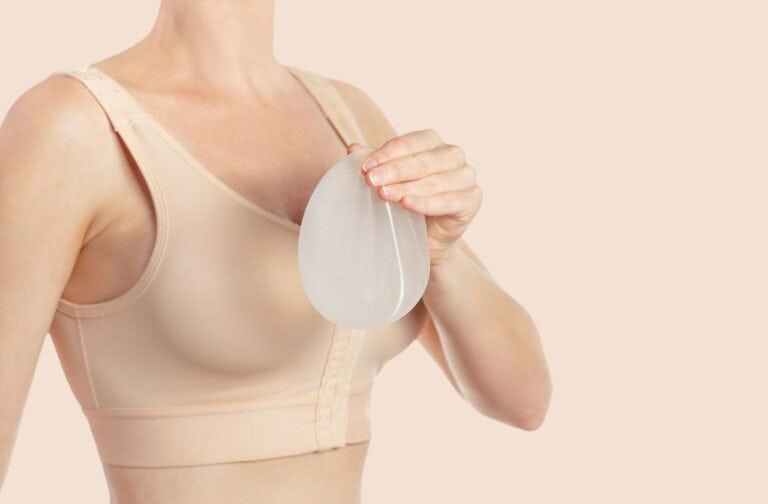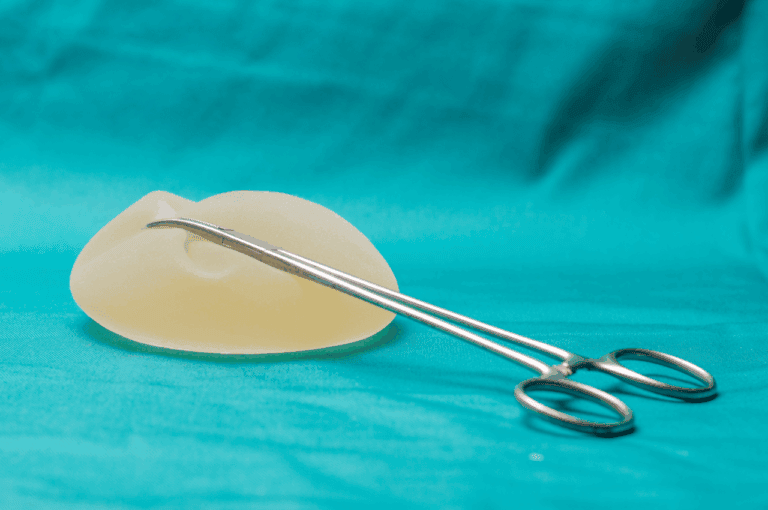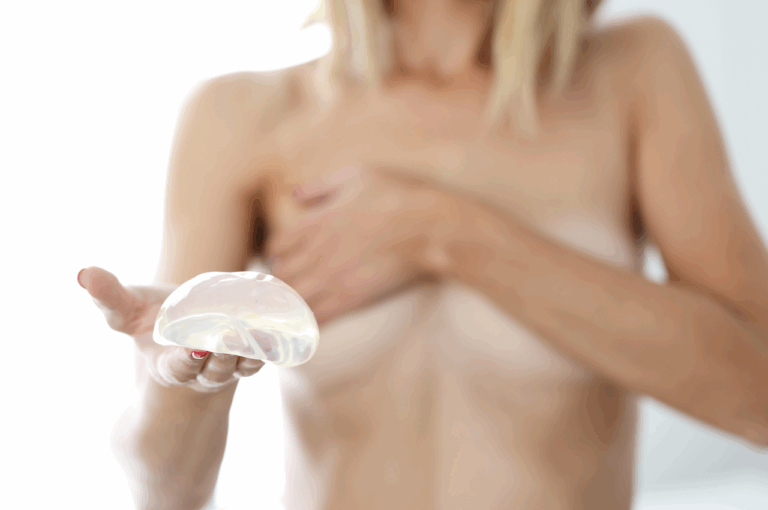
At San Antonio Breast Implant Removal, we know that deciding to remove breast implants often comes with a lot of questions and anticipation about what comes next. Many patients seek the smoothest recovery possible, hoping to regain comfort and confidence in the days and weeks following their procedure.
Understanding the right recovery steps can positively impact your comfort, healing, and final results. In this article, we will guide you through essential breast implant removal recovery tips, timelines, and trusted breast implant removal techniques, so you feel prepared every step of the way. We invite you to explore our trusted advice and discover helpful ways to encourage your body’s natural healing process.
Key Takeaways
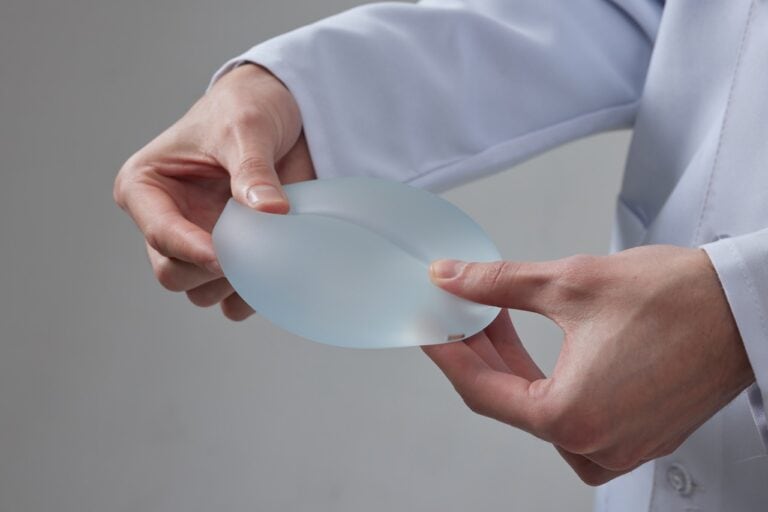
Understanding the Breast Implant Removal Process
While every patient experiences their own unique journey, knowing what to expect during the procedure and recovery brings reassurance. Our surgical team at San Antonio Breast Implant Removal explains the process clearly to every patient before surgery.
What Happens During Breast Implant Removal?
The procedure involves removing one or both breast implants, which may also include a total capsulectomy to remove the surrounding scar tissue capsule if present. We use anesthesia to ensure your comfort and safety.
Some patients choose implant removal only, while others opt for a breast lift or fat transfer at the same time. In all cases, our doctors tailor the surgical plan to your body, goals, and medical history.
The Initial Recovery Timeline
Most patients spend a few hours in a monitored recovery area before returning home the same day. You can expect the first stages of recovering from breast implant removal to occur during the initial 1–2 weeks.
During this time, you must rest and limit physical exertion. Postoperative discomfort, swelling, and bruising usually peak within the first several days. Our surgeon schedules you for follow-up visits to check your incisions and answer questions.
While some activities can resume in the second week, strenuous exercise and heavy lifting remain restricted for several weeks.
The Most Important Elements of a Smooth Recovery
Proper planning and self-care choices make a significant difference in your healing process. Here are the main components that support a positive experience.
Rest and Allow Your Body to Heal
Sufficient rest lets your body direct energy to repairing tissues and reducing inflammation. Aim to sleep on your back with extra pillows to prevent pressure on your chest and keep swelling down.
Listen to your body’s cues and don’t rush back to regular routines. The first few days at home usually require the most downtime, so arrange your space for convenience, comfort, and safety.
Take Pain Management Seriously
Our surgical team at San Antonio provides detailed pain management plans tailored to individual needs. Mild to moderate discomfort is normal in the early stages.
We may prescribe pain medications or suggest approved over-the-counter options. Taking medication as directed and avoiding activities that increase pain helps control inflammation.
Stay on Top of Incision Care
Clean, healthy incisions reduce your risk of infection and poor wound healing. You will receive explicit instructions on how to keep your incisions dry, change any sterile dressings, and spot signs of infection.
Avoid submerging your incisions in baths or hot tubs until cleared. Gently pat your chest dry after showering and always follow our instructions for scar creams or ointments if recommended.
Essential Aftercare Steps for Breast Implant Removal
Knowing what you should do and what you should avoid improves both your safety and your results. Below, we outline the cornerstone elements of excellent recovery care.
Post-Operative Instructions to Follow Closely
At San Antonio Breast Implant Removal, every patient leaves our surgical center with detailed aftercare guidelines. Following these steps helps reduce complications and encourages a smoother recovery.
Patients most often need to:
- Wear supportive garments: A surgical bra or specialized support bra reduces movement and helps swelling resolve.
- Keep incisions clean: Gently clean incision sites as directed, avoiding any harsh soaps or chemicals.
- Monitor for warning signs: Watch for redness, drainage, foul odor, worsening pain, or sudden swelling and contact us immediately if these occur.
- Control activity levels: Avoid lifting anything heavier than a few pounds and steer clear of overhead reaching or stretching.
- Attend all follow-up appointments: These visits allow our doctor to check healing progress and answer questions.
Consistent attention to these priorities means you give your body the best chance to heal thoroughly while reducing the risk of complications.
Foods and Nutrients That Support Recovery
Nutrition is one of the easiest ways to positively influence your healing. Choosing foods high in protein and vitamin C supports tissue repair and a healthy immune response.
Drink extra water to stay hydrated and encourage your body’s natural detoxification. Whole grains, leafy greens, colorful vegetables, fruits, and lean proteins all promote the strength your body needs as it rebuilds.
If you smoke, our team strongly recommends quitting both before and after surgery. Nicotine restricts blood flow and has a known negative effect on healing.
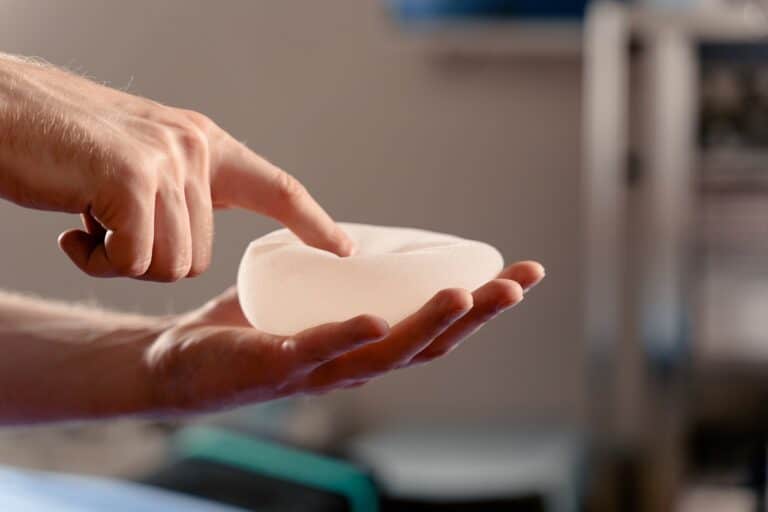
Managing Discomfort, Swelling, and Bruising
Most patients experience some degree of pain, swelling, and bruising after breast implant removal. There are practical steps you can take to help your body through these changes.
How to Reduce Discomfort and Swelling
For the first several days, apply cold packs (wrapped in a clean cloth) to the upper chest as our surgical team instructs. This helps minimize swelling and eases discomfort.
Keep your upper body elevated, especially at night. This supports healthy circulation and decreases fluid accumulation in the chest.
Take prescribed or approved medications as directed. Avoid non-approved herbal supplements, as well as NSAIDs, unless specifically permitted by our surgeon.
When to Expect Significant Relief
Noticeable pain and tightness usually decrease substantially after the first week. Swelling often persists for several weeks but lessens steadily.
In some cases, mild tenderness or numbness along the incision line may last longer. Patience with your body’s process is vital, and in most situations, these symptoms improve.
If you develop new, severe, or worsening discomfort beyond the first two weeks, reach out to our office. Breast implant removal complications are rare but must be managed quickly if they arise.
Returning to Daily Activities After Surgery
Resuming your regular routine can be both exciting and nerve-wracking. We recommend patience and self-compassion as you assess your readiness for different activities.
Exercise, Work, and Physical Activity: The Timeline
Most patients can return to non-physical work within a week, though jobs requiring lifting or significant movement may require more time away.
Strenuous exercise should wait three to six weeks after implant removal. At your follow-up appointments, our surgeon will provide specific approval for more intense physical activities.
When resuming activity:
- Start slow: Gentle walking is appropriate as soon as you feel able, but avoid running or upper body workouts.
- Listen to your body: Any increase in pain or swelling signals the need to rest and recover more fully.
- Prioritize quality sleep: Returning to normal activity is easier when you feel rested.
The goal is to support your body’s ongoing healing by gradually reintroducing movement. Each patient progresses on their own timeline, so individualized medical guidance is essential.
Caring for Scars and Supporting Aesthetic Results
Careful scar management can make a significant difference in the final appearance of your breasts. While many patients worry about scarring, there are effective ways to encourage smooth, even healing.
Scar Care After Implant Removal Surgery
Our team provides personalized advice on gentle massage techniques after your incisions fully close. Applying recommended silicone gels or creams keeps scar tissue hydrated and flexible.
Avoid direct sun exposure to your incisions for the first six months. Ultraviolet rays can cause pigmentation changes or intensify redness in new scars.
Good nutrition, hydration, and stress management all support skin repair and minimize the thickness and depth of scars. For patients at risk of keloids or thick scars, our doctor can discuss advanced treatments in the office.
Key Questions to Ask at Your Post-Op Appointments
After breast implant removal, you will have several follow-up appointments with our medical staff. Use these meetings to gain insight, reassurance, and clarification about your recovery.
Here are important questions to consider:
- How is my incision healing?: Understanding what is normal versus concerning provides peace of mind and direction.
- When can I resume normal activities?: Specifics help you plan your transition back to exercise, work, and family life.
- What should I watch for?: Ask about symptoms that require immediate attention, such as intense pain, extensive redness, or drainage.
- Are my results progressing as expected?: Our board-certified plastic surgeon can reassure you about swelling, bruising, and changes in breast shape over time.
Having open communication with your surgical team empowers you to participate fully in your own healing.
Common Complications and Warning Signs Not to Ignore
While most patients recover without problems, knowing which symptoms to watch for can prevent more serious issues.
Possible Signs of Complications
Pay close attention to the following warning signs and call our San Antonio office if you notice them:
- Sudden, growing pain or hardness: This can indicate a hematoma or fluid buildup.
- Redness, warmth, or foul-smelling discharge: These may signal infection, particularly if accompanied by fever.
- Unexpected swelling in one or both breasts: Excessive or prolonged swelling could point to a delayed complication.
- Shortness of breath or chest pain: Seek emergency care immediately if you have difficulty breathing or experience chest pain.
Most issues can be addressed quickly if identified early. Prompt communication with our team keeps your recovery on track.
Emotional and Psychological Healing After Implant Removal
Surgery affects both the body and mind, and breast implant removal is no exception. Adjusting to changes in appearance sometimes takes time and support.
It can help to journal your questions and feelings, especially in the first few weeks after surgery. Many patients benefit from speaking to trusted friends or a counselor if anxiety or sadness arises.
Patients often report a sense of relief and freedom as their bodies heal and adjust. Give yourself grace and patience during this transitional time.
How Our Team Supports Your Recovery Journey
At San Antonio Breast Implant Removal, our commitment does not end in the operating room. We prioritize your comfort, well-being, and satisfaction at all stages of recovery.
You can always contact our office with questions or concerns at any point during your healing. Our nurse and surgical team check in with patients by phone or during in-person appointments throughout the critical first weeks.
Many patients appreciate our step-by-step recovery guides, which outline what to expect each week after surgery. We want you to feel empowered to care for yourself and confident about your progress.
Setting Yourself Up for a Smooth and Confident Recovery
Breast implant removal is a personal decision that leads to an empowering new chapter for many women. Safe, successful healing relies on a careful blend of self-care, medical follow-up, clear communication, and emotional support.
Preparation, rest, and strict attention to your surgeon’s instructions help you encourage the best healing outcomes and a restored sense of comfort. If you experience any concerns or have questions about your recovery journey, the team at San Antonio Breast Implant Removal is ready to help.
We invite you to schedule a consultation if you are considering breast implant removal or need tailored recovery guidance. Taking the time to care for yourself today lays the foundation for long-term wellness and peace of mind in the future.